Uncovering the Environmental Impact of Pallet Disposal: A Green Decision
Pallet liquidation signifies an expanding movement toward sustainability, underscoring the value of reuse and recycling. This approach not only reduces landfill waste but also supports local economic development. Examining its environmental impact exposes a multifaceted dynamic between resource management and consumer habits. As businesses and communities embrace this model, concerns emerge regarding its lasting sustainability and effect. What implications does this hold for the advancement of green initiatives?
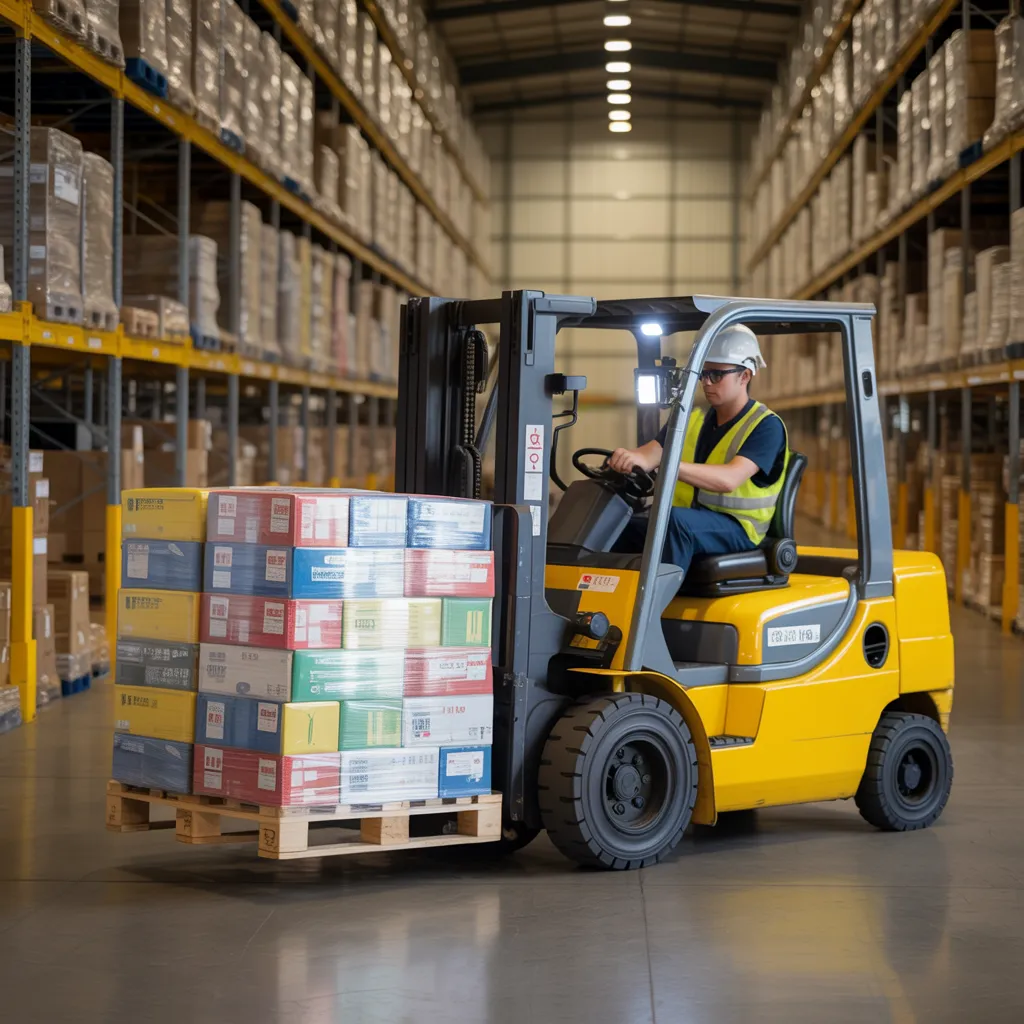
What Is Pallet Liquidation and How Does the Process Work?
Pallet liquidation is defined as the practice of selling surplus or excess goods, typically in large quantities, generally using pallets. This practice is common among retailers, wholesalers, and manufacturers who need to clear out discontinued or unsold stock. Items are typically loaded onto pallets, which simplifies practical tips handling and transportation.
Within the liquidation process, companies may sell these pallets to liquidators or directly to consumers at discounted prices. Liquidators typically organize, review, and at times recondition the items before selling them to diverse markets, such as discount retailers or digital marketplaces. Customers can secure an array of items, from electronic equipment to garments, generating financial benefits for individuals and enterprises alike. This efficient approach not only assists in stock management but also creates opportunities for discounted purchasing, making it a beneficial option for both vendors and customers.
Environmental Benefits of Pallet Liquidation
While a great deal of attention is given to the financial benefits of the pallet liquidation process, its environmental benefits are equally noteworthy. The pallet liquidation process supports sustainability by encouraging materials to be reused and recycled. This process reduces the demand for new resources, thereby conserving forests and decreasing energy consumption associated with manufacturing new pallets.
Furthermore, it minimizes landfill waste, as a significant number of pallets that would otherwise be discarded are repurposed or refurbished. This practice not only increases the useful life of the pallets but also lowers the carbon footprint resulting from waste management.
Moreover, pallet liquidation contributes to reducing carbon emissions. By decreasing the need for manufacturing new pallets and transporting them, the overall greenhouse gas output is diminished. Ultimately, pallet liquidation stands as a viable solution for companies seeking to align their operations with eco-friendly practices, making it an integral component of a eco-conscious supply chain.
Minimizing Waste Through Pallet Liquidation
Pallet liquidation plays a critical part in cutting down on waste by redirecting surplus inventory away from landfills. This process not only repurposes unused products but also supports local businesses that can benefit from the availability of discounted goods. By promoting a circular economy, pallet liquidation supports more environmentally responsible consumption habits.
Diverting Landfill Waste
A large share of landfill waste can be attributed to disposed consumer products, making practical waste management solutions essential. The pallet liquidation process acts as a forward-thinking method to mitigating this issue. By redistributing surplus inventory and unsold products, businesses can lengthen the lifespan of these items, greatly reducing the amount that is deposited into landfills. This approach not only eases the pressure on waste disposal networks but also supports a sustainable circular economy. Companies engaging in pallet liquidation advance environmental sustainability by identifying fresh markets for their surplus goods, thereby cutting waste and protecting natural resources. At its core, this approach encourages an eco-conscious method of managing inventory while meeting the pressing demand for efficient waste diversion.
Repurposing Unused Inventory
Efficient waste diversion methods not only concentrate on decreasing landfill contributions but also on resourcefully repurposing surplus inventory. Pallet liquidation presents a distinctive chance to breathe new life into excess goods that might otherwise be discarded. Businesses can transform unsold items into valuable resources, such as donating products to charities or repackaging them for resale. This approach not only minimizes environmental impact but also fosters innovation in product use. To illustrate, leftover clothing might be repurposed into reusable textile items, while excess electronic devices can be reconditioned. By leveraging pallet liquidation, companies can efficiently manage excess inventory, reduce waste, and promote sustainability, ultimately contributing to a circular economy that values resourcefulness and environmental responsibility.
Backing Local Businesses
Surplus inventory liquidation plays a critical part in sustaining local enterprises while simultaneously reducing waste. By promoting the reallocation of excess merchandise, pallet liquidation provides smaller enterprises the opportunity to obtain budget-friendly products that might otherwise remain unsold. This approach not only helps these businesses thrive but also fosters a sense of community, as local retailers can offer unique items at competitive prices. Additionally, buying through liquidation channels decreases the environmental impact connected to creating new merchandise, thereby minimizing resource consumption and landfill waste. The system promotes a sustainable circular economy, where products are reused and repurposed, supporting environmental sustainability. Ultimately, inventory liquidation functions as an essential tool for economic growth and environmental stewardship across local communities.
Cost Savings and Revenue Opportunities From Pallet Liquidation
Pallet liquidation offers significant cost-saving advantages for businesses by boosting profit margins and reducing inventory expenses. Organizations can transform surplus stock into revenue, thus enhancing financial liquidity. This method not only boosts profitability but also simplifies operations by alleviating the challenges of surplus inventory.
Maximizing Profit Margins
Taking advantage of pallet liquidation can considerably improve profit margins for enterprises. By obtaining excess inventory at lower prices, firms can benefit from considerable cost efficiencies. This approach not only reduces operational costs but also enables competitive resale pricing, drawing in a wider range of customers. Additionally, businesses can diversify their product offerings by sourcing different types of pallets, thereby tapping into various market segments. The capacity to rapidly move inventory through liquidation networks allows businesses to sustain healthy cash flow, alleviating financial pressure. Beyond that, working with liquidation partners can enhance operational efficiency, offering access to critical resources and specialized expertise. Ultimately, strategically utilizing pallet liquidation can result in higher revenue and enhanced profit margins.
Lowering Inventory Expenses
Businesses can markedly reduce inventory costs via strategic participation in liquidation procedures. By offloading excess or obsolete stock in bulk, businesses can rapidly transform idle inventory into capital, reducing storage costs tied to unsold merchandise. Liquidation not only streamlines inventory management but also mitigates the risks of markdowns and obsolescence. Furthermore, collaborating with liquidation companies can open doors to broader markets, allowing companies to connect with buyers who value reduced-price merchandise. This strategy creates pathways for supplementary income, boosting financial adaptability. In the end, successful pallet liquidation offers a twofold benefit: it lowers inventory expenses while supporting sustainability through the ethical reallocation of products, benefitting both the business and the environment.
The Role of Recycling in Pallet Liquidation
Recycling plays an essential role in the pallet liquidation process, transforming discarded wooden pallets into valuable resources. This approach not only reduces waste but also supports a sustainable economy, where materials are reused rather than discarded. Repurposed pallets can be renewed for sustained use in logistics and storage, significantly prolonging their useful life.
Additionally, the recycling process can encompass breaking down pallets into base components, which can then be utilized for creating new products, such as furniture, mulch, or biofuel. This reduces the need for new timber, preserving forests and limiting the carbon footprint connected to logging and processing.
Organizations participating in pallet liquidation commonly recognize that recycling improves their sustainability standing, resonating with environmentally aware customers. Ultimately, recycling acts as an essential part of the pallet liquidation process, promoting resource conservation and environmental responsibility while delivering economic advantages.
How to Adopt Sustainable Pallet Liquidation Approaches?
Implementing green pallet liquidation strategies demands a methodical approach that emphasizes environmental responsibility. Organizations must first review their current pallet inventory and pinpoint opportunities for repurposing, restoration, or recycling. Building partnerships with community recycling centers or networks can streamline the appropriate disposal of damaged pallets, limiting landfill contributions.
Additionally, businesses should develop a structured system for tracking pallet usage and condition, facilitating proactive oversight and cutting down on waste. Training employees on eco-friendly practices and the significance of pallet maintenance can significantly boost longevity.
Additionally, embracing a closed-loop framework can guarantee that pallets are retrieved and reintegrated within the supply chain, fostering circular economy principles. Finally, companies should convey their sustainability goals to key parties, cultivating a culture of environmental awareness. By adopting these practices, organizations can considerably lessen the environmental consequences associated with pallet management while fostering a more green operational strategy.
Emerging Trends in Sustainable Pallet Management
A rising emphasis on sustainability is influencing the future of pallet management, with groundbreaking approaches developing to tackle environmental challenges. As companies strive to reduce their environmental impact, the integration of sustainable pallet materials is gaining momentum. Biodegradable and recyclable materials are becoming more common, cutting down on waste and advancing a regenerative economic model.
Additionally, breakthroughs in technological solutions are enabling more effective monitoring and oversight of pallets, allowing companies to optimize their usage and lengthen the lifecycle of each pallet. Digital platforms are increasingly being used to enhance the pallet liquidation and rental processes, improving clarity and accountability.
Moreover, collaboration among stakeholders—manufacturers, logistics providers, and retailers—is cultivating mutual commitment to pallet environmental goals. This collaborative method not only improves resource utilization but also drives innovation. Overall, the trajectory of pallet handling is expected to embrace greater sustainability, driven by technology, collaboration, and a commitment to environmental stewardship.
Common Questions and Answers
What Kinds of Products Can Be Found in Pallet Liquidation?
Pallet liquidation commonly features a diverse array of products such as electronics, home goods, clothing, and furniture. Retailers frequently offload surplus stock, seasonal merchandise, or returned goods, leading to assorted pallets. These pallets often feature new merchandise, reconditioned items, or minimally damaged products. The diverse selection lets shoppers uncover remarkable bargains, attracting both wholesalers and individuals seeking budget-friendly choices. The unpredictability of contents adds an element of excitement to the liquidation process.
How Does Pallet Liquidation Impact Local Economies?
Pallet liquidation has a positive effect on local economies by supplying budget-friendly goods to buyers and generating new business prospects for resellers. It enables small businesses to flourish by acquiring overstock merchandise at lower costs, which may then be offered for sale at a markup. Moreover, the process fosters job creation in the logistics and retail industries, as a growing number of individuals participate in purchasing, organizing, and reselling liquidation merchandise, thus driving economic growth within local communities.
Are There Rules and Regulations That Oversee Pallet Liquidation Practices?
Certainly, regulations governing pallet liquidation practices are in place, differing by location. Such rules frequently address safety requirements, waste management, and environmental safety. Regional authorities may establish rules to confirm that pallet disposal and repurposing processes do not harm the ecosystem. Moreover, enterprises involved in pallet liquidation must adhere to professional benchmarks to foster long-term viability and ethical practices, thereby shaping how they function within the industry and their effect on local economies.
Can Pallet Liquidation Be Used for Non-Retail Items?
Pallet liquidation is certainly applicable to non-retail items. A wide range of industries, including manufacturing and logistics, commonly liquidate excess inventory, equipment, or materials. This approach enables businesses to recoup costs by selling these items in large quantities, typically at reduced prices. Non-retail goods such as machinery, office supplies, or industrial components can discover new applications through liquidation, fostering resource efficiency and decreasing waste. As a result, pallet liquidation functions as a practical solution beyond conventional retail settings.
What Are the Dangers Linked to Pallet Liquidation?
The risks associated with pallet liquidation include the likelihood of financial losses resulting from merchandise that fails to sell, quality discrepancies in products, and the possibility of damaged goods. Furthermore, customers could encounter difficulties when determining the real value of the pallets, leading to unexpected expenses. The potential for legal problems exists when items are inaccurately represented or carry harmful materials. Ultimately, exercising caution and conducting comprehensive evaluations are vital steps to minimizing these risks efficiently.